
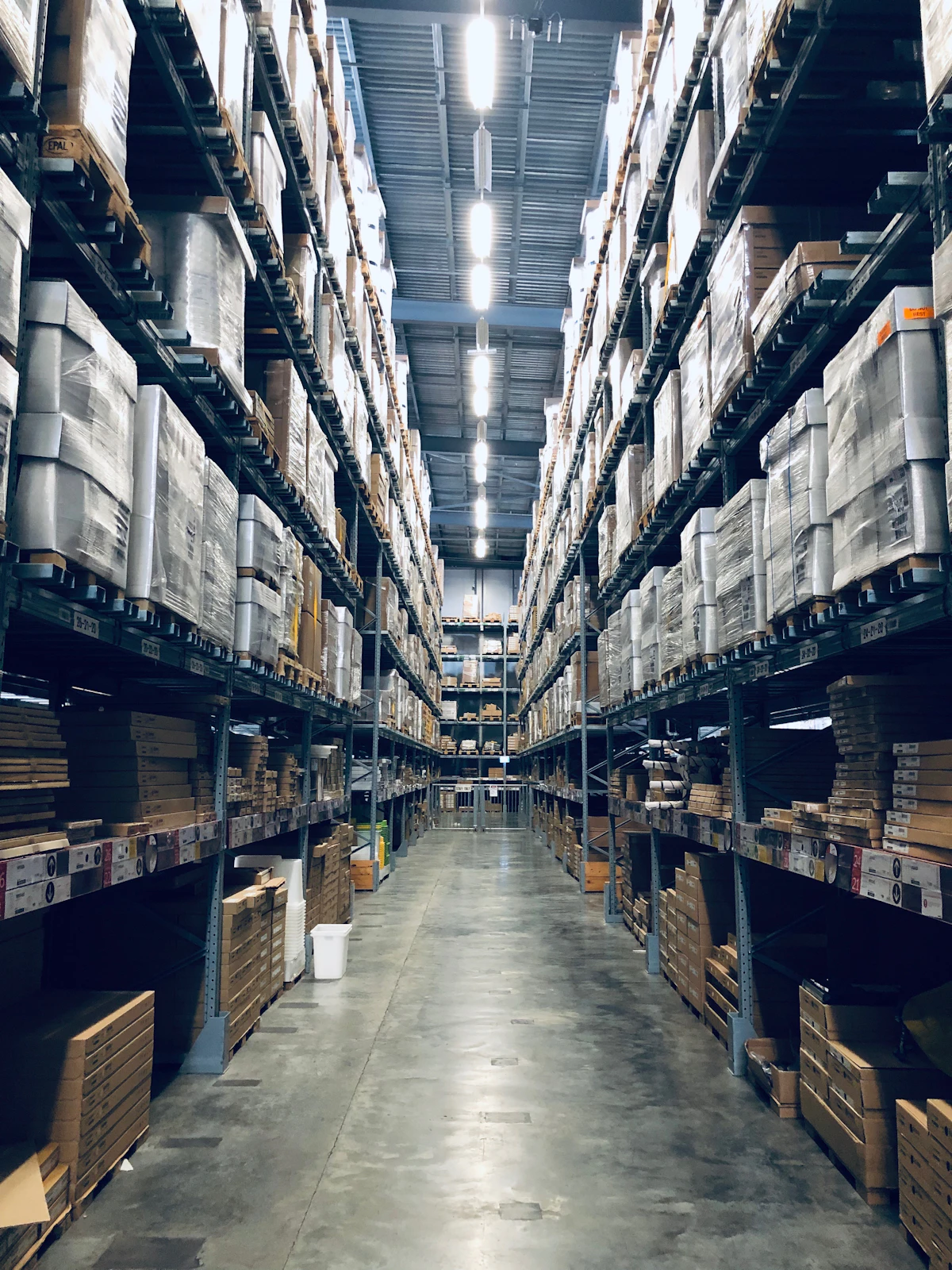
What Is FBM — and When It Beats FBA
With Fulfillment by Merchant (FBM), you list on Amazon but ship the orders yourself — or, more commonly for scaling brands, a 3PL ships them for you. FBM puts you in control of your inventory, your packaging, and your costs, and for certain product profiles it is simply the better economic model.
FBM usually wins with oversized or heavy items where Amazon's fulfillment fees punish your margins, slow-moving SKUs where long-term storage fees compound, seasonal products, and multichannel brands that want one inventory pool serving Amazon, Shopify, and wholesale from the same warehouses.
The Economics of FBM
FBA sellers pay fulfillment fees plus monthly and long-term storage fees, and Amazon's fees rise predictably every year. FBM replaces that with your own cost structure: warehouse space, pick-and-pack labor, packaging, and carrier rates. At volume, those costs are substantially lower per order — especially when your 3PL negotiates ground-rate shipping zones on your behalf.
The savings compound on inventory strategy. FBM inventory is yours to move, reposition, and liquidate freely — no removal fees, no stranded-in-FC risk, and no paying Amazon to store capital that could sit in your own dual-coast network.
The Metrics Amazon Actually Grades You On
FBM performance is measured, and the metrics are unforgiving. The two that make or break accounts are the Valid Tracking Rate and the On-Time Delivery Rate. Miss these and your Buy Box share drops; miss them badly and your selling privileges are at risk.
This is where a professional 3PL earns its fee. The operating plan should define order cutoffs, carrier handoff, tracking updates, exception handling, and performance reporting. Confirm these requirements with the provider before inventory arrives.
How a 3PL Runs FBM at Scale
A merchant-fulfilled order touches receiving, storage, picking, packing, shipping, and returns — and each one is a place where speed and accuracy either compound for you or against you. A 3PL runs this as a single integrated flow: your Amazon orders flow into a warehouse management system, pick paths are optimized, and shipments leave the building with validated tracking the same day.
Returns are the hidden half of FBM. A 3PL processes customer returns, grades the inventory, and returns sellable stock to the shelf quickly — recovering revenue that self-fulfilled sellers routinely lose to slow returns handling.
The Dual-Coast Advantage for Merchant-Fulfilled Orders
Shipping zones are set by distance, and distance is set by where your inventory sits. One warehouse on a single coast means most of your customers are 3–5 zones away. Two warehouses — one in Pennsauken, NJ and one in Las Vegas, NV — put the overwhelming majority of the U.S. population within 2-day ground delivery.
That translates directly into lower per-order shipping cost, faster promised delivery dates, better conversion, and the delivery performance Amazon's metrics demand. For merchant-fulfilled sellers, dual-coast warehousing isn't a luxury; it's the operating model.
Blending FBA and FBM
The strongest Amazon strategies are rarely all-FBA or all-FBM. Best sellers run FBA for fast-moving core ASINs to win Prime placement, and FBM for oversized items, seasonal spikes, and overflow — a hedge against Q4 capacity limits and fee changes.
A 3PL with both FBA prep and FBM fulfillment under one roof makes the blend seamless: one receiving dock, one inventory pool, one account team, and freight routed to wherever each channel needs it.